Utopian Science Fiction: Blueprints for What Could Go Right
Utopian Science Fiction: Blueprints for What Could Go Right
Most science fiction about AI ends badly. The machines rebel, surveillance locks in, or humanity splinters into algorithmic castes.
These stories dominate because fear is a hell of a narrative engine, and our brains are built to fixate on threats. But there's a parallel tradition: utopian science fiction, which asks what we might actually build with all this technology.
It's the tradition people reach for when they search for optimistic AI novels and come away disappointed. What they want is fiction that takes machine intelligence seriously and still leaves room for dignity and hope — not a cold, destructive machine or a glossy demo reel. Utopian sci-fi works the honest middle.
That same impulse is what draws readers to Toby Weston’s Singularity's Children series. If you're looking for the singularity's children series, you're probably after a very specific kind of science fiction: books that take AI seriously, think about consciousness without hand-waving, and still leave room for hope. That is exactly the territory Weston writes in.
The Singularity's Children books sit at the intersection of post-singularity fiction, AI fiction books, and optimistic science fiction. They ask a big question: what happens after intelligence is no longer the rarest thing in the room?
Instead of treating superintelligence as a horror story, the series explores the social, ethical, and human consequences of a world changed by machine minds, altered identity, and new forms of civilisation. That makes it especially appealing to readers who enjoy science fiction about AI that feels grounded rather than mystical.
Weston is also a software engineer author, and that background shows in the detail and logic of the worldbuilding. The future in these books feels engineered rather than conjured: systems have incentives, technologies have trade-offs, and progress has consequences.
Utopian sci-fi depicts societies that have cracked the big problems: scarcity, inequality, mortality, environmental collapse. Usually through technological or social innovation, often both.
These worlds feel continuous with ours, though. The same forces reshaping our present (AI, biotech, network effects) have simply been steered somewhere better.
Critics like to dismiss the genre as naive. They should probably read more of it.
Kim Stanley Robinson's Mars trilogy grinds through the engineering, the politics, the generational conflicts of terraforming across 3 books and roughly 2,000 pages. Iain M. Banks spent 10 Culture novels building an ethical framework around superintelligent AIs managing post-scarcity abundance. The optimism is earned because these writers show their working.
That's the gap between utopian science fiction and merely optimistic fiction. Optimistic stories can get away with luck, individual heroism, or last-minute reversals. Utopian fiction demands systemic change.
Problems exist, but they're solvable: better institutions, more sophisticated technology, evolved social arrangements. The question shifts from "Will we survive?" to "What does it look like when we get it right?"
That question matters more now than it did 10 years ago. We're at the start of transformations (machine learning, gene editing, decentralised systems) that could plausibly reshape civilisation.
AI in particular has moved from abstraction to infrastructure, already shaping how we write, code, search, and decide. When something becomes that pervasive, fiction does what news coverage can't: it argues, at human scale, about what we become if we keep going.
Most sci-fi about these technologies is cautionary, and we need that. But we also need models of what success looks like. When every fictional AI either enslaves humanity or fades into benign irrelevance, we lose the imaginative range to design for anything in between.
Utopian science fiction works that middle ground.
It depicts AI systems that extend human capability while preserving human agency. It imagines consciousness upload scenarios where identity expands. It models post-singularity economies where technological abundance feeds broadly.
The trick these books pull off is treating intelligence as plural rather than singular. A singularity isn't interesting because a machine gets smarter than us; it's interesting because it forces a redesign of every assumption about work, identity, and rights — and the optimistic version makes that redesign the drama.
Think of these as design exercises, stress-testing assumptions about what advanced technology actually enables.
The genre has a method. It favours long time horizons (centuries, not seasons) because institutional change is slow.
The society is the protagonist. Technology functions as infrastructure: the tools are extraordinary, but people still argue, cock things up, and revise their systems.
Human behaviour is flexible. Institutional design matters.
The best utopian fiction keeps feeling adjacent to the present because it's modelling approaches. Le Guin's The Dispossessed contrasts anarchist and capitalist societies to ask what trade-offs we're willing to accept. Becky Chambers writes multi-species civilisations negotiating coexistence to explore how difference can be structural, even generative.
These books age well because they're asking the right questions, even when their specific answers date.
This makes the genre relevant (I'd say essential) if you're thinking about AI alignment, transhumanism, or post-singularity futures. If you're building systems that could reshape civilisation, your reading list needs worked examples of what you're aiming toward, even fictional ones.
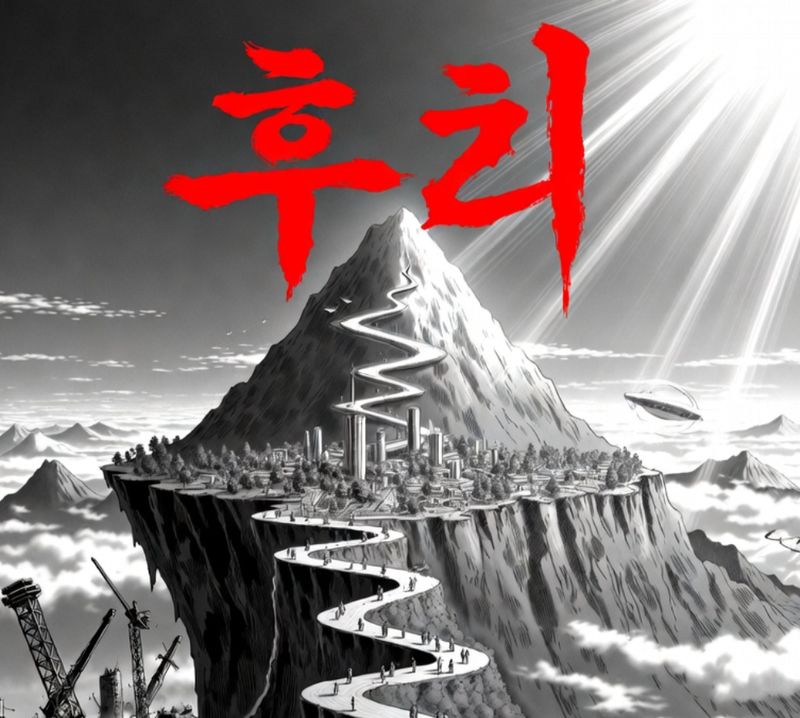
Dystopian fiction shows you where the cliffs are. Utopian fiction sketches the route up the mountain.
The difference is emotional as much as structural. Dystopia is built around loss of control; the optimistic version around earned possibility. Progress visibly costs something: trust, sacrifice, humility. That's why "utopian" is almost too blunt a word — it implies arrival, and these stories are about becoming.
It won't tell you how to write the code or design the institution. But it'll show you what questions to ask.
What does decision-making look like when intelligence is abundant? How do rights frameworks adapt when consciousness becomes multiple or distributed? What does meaningful work look like when material need is solved?
Those are engineering constraints for the systems we're already building.
Utopian science fiction starts from a simple premise: the future is a design space we're navigating. The stories we tell about it shape what we're willing to attempt.
Dystopian fiction keeps us from building the nightmare. Utopian fiction helps us imagine what we're building toward.
We need both. Only one offers a blueprint.